
Why the math changed for NMB landlords
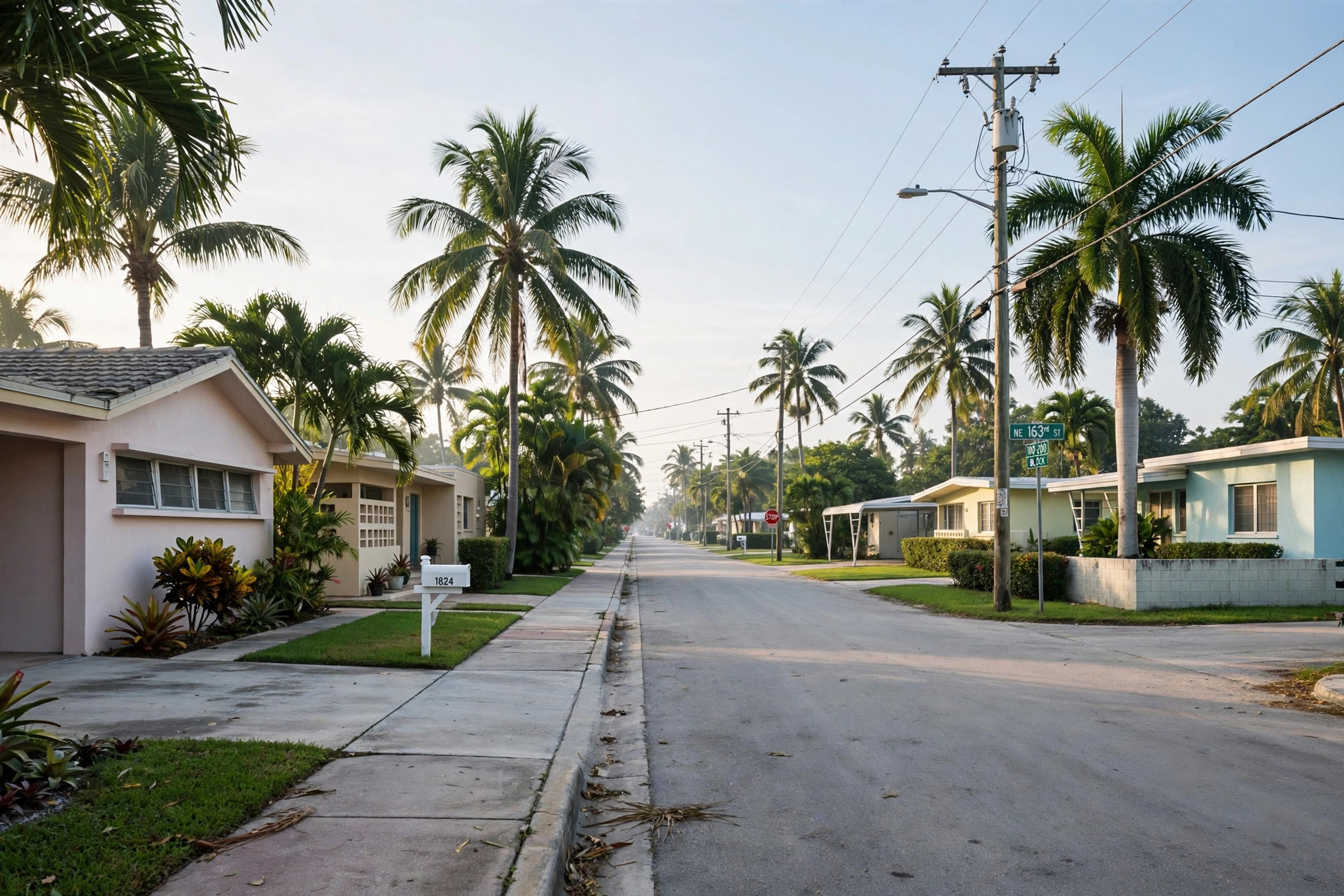
The single-family stock here is largely 1950s–70s construction: solid bones, aging systems. Meanwhile insurance premiums on older coastal homes have climbed steeply, roofs have become an underwriting battleground, and maintenance on a 65-year-old house arrives in clusters — AC, water heater, cast-iron plumbing, electrical panel. Rents have risen too, but for many owners not fast enough to restore the old margins, especially on houses bought as modest rentals that now carry luxury-asset expenses. When the spreadsheet and the stress agree, selling stops being giving up and starts being the plan.
You can sell with the tenants still living there
This is the fact that unlocks most landlord exits: a lease survives a sale. The buyer steps into your shoes as landlord, the lease terms continue, and the tenants' rights are unaffected — Florida law protects their tenancy through its term, and security deposits and last month's rent simply transfer to the new owner at closing, with proper notice to the tenants. No eviction, no vacancy to sell, no waiting for the lease to run out. We explain the full mechanics in selling a rental property with tenants in Florida. For a landlord who is done, the best version of this is selling to a buyer who wants a tenanted rental — the tenants keep their home, you keep your closing date, and nobody paints anything.
What your rental is worth to an investor
Investor-buyers price rentals on income and condition: actual rent (not hoped-for rent), the lease term remaining, the roof and systems' remaining life, and what it'll cost to get the house to full market rent later. A tenanted house at slightly under-market rent is still attractive — income from day one beats a vacant house needing a tenant search. Expect the offer to be built on today's real numbers rather than a speculator's someday-rent, and expect any honest buyer to show you those numbers. Our sell a rental property page walks through what we look at.
Your exit options, compared
- Sell occupied to an investor or cash buyer. Fastest, no vacancy, no repairs, tenants in place. Price reflects condition and current rent.
- Wait for the lease to end, fix up, and list. Highest possible price — paid for with months of vacancy, repair money, and carrying costs on an empty house in the meantime. Makes sense when the house is close to retail-ready and the market gap is big.
- Sell to your tenant. Happens more often than people expect. If your tenants love the house and can finance it, it's a clean, kind exit — budget normal closing time and a real contract, not a handshake.
- Keep it and hire management. If the numbers still work and only the workload doesn't, a property manager at roughly 8–10% of rent buys your time back. A legitimate option — price it before you decide the house itself is the problem.
And a tax note for landlords who've owned a while: a sale can trigger depreciation recapture, and a 1031 exchange into another investment property is sometimes the smarter exit — that's a conversation for your CPA before you sign anything, not after.
Telling the tenants: do it like a professional
Landlords put off selling partly out of dread of this conversation. It doesn't have to be a bad one. Tenants in place during a sale have rights — to stay through their lease, to proper notice before any showing or walkthrough, to their deposit handled correctly — and a buyer who wants the rental usually wants the tenants happy, not hostile. A short, honest notice goes a long way: the house is being sold, their lease is unaffected, the new owner takes over on the same terms, and here's who to contact with questions. Most tenants' real fear is sudden displacement, and Florida law plus any legitimate buyer's business model both say that isn't happening. Handle the notice in writing, keep it factual, and don't promise things (like a lease renewal) that aren't yours to promise.
Already vacant? The math flips a little
If your NMB rental is sitting empty right now, every month is pure cost — insurance, taxes, lawn, and risk — and the exit decision gets simpler. A vacant house can be listed retail if it's in financeable shape, and the showing logistics are easy; it can also be sold as-is immediately. What we'd argue against is the accidental middle: leaving it vacant "while you think about it" through another insurance renewal and another rainy season. Vacant older houses deteriorate fast in this climate, and the thinking rarely improves the numbers. Vacant or occupied, the decision framework is the same — get a real offer, compare it to a real listing net, and choose with both numbers on paper.