
The timeline everything runs against
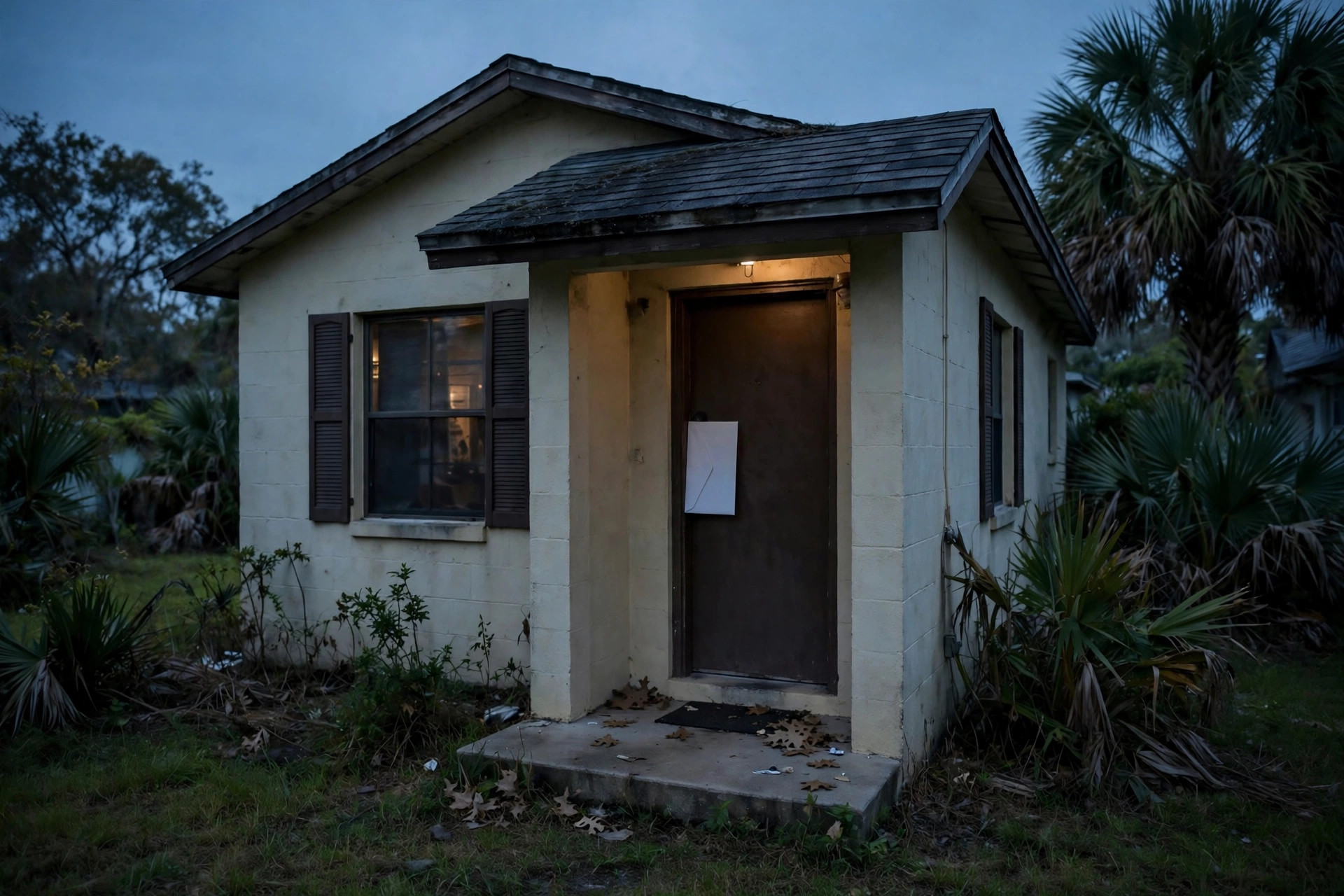
Florida foreclosures go through the courts — a judicial process. After missed payments, the lender typically sends a notice of default, then files a lawsuit (with a lis pendens recorded against the property). You get served and have a chance to respond. Cases commonly take many months from filing to a final judgment and a court-ordered sale date — but "commonly" is doing heavy lifting there, timelines vary, and once a sale date is set the clock becomes very real. The Broward Clerk of Courts conducts foreclosure sales by online auction. Treat every paper you receive as a deadline, and read our broader guide to facing foreclosure in Broward County alongside this one.
Option 1: call your servicer and ask, in writing, what's available
Lenders are required to evaluate borrowers for loss-mitigation options when you apply — forbearance (a temporary pause or reduction), a repayment plan, or a modification review. Call the loss-mitigation department (not regular customer service), ask what programs your loan qualifies for, and submit a complete application early. A complete application filed in time can pause the foreclosure process while it's reviewed. Keep copies of everything and notes of every call. This option costs nothing to explore and should always be step one.
Option 2: reinstatement
If the shortfall was a one-time hit — you're working again, family helped, a settlement came through — you can usually reinstate by paying the full past-due amount plus fees before the judgment stage, and the loan continues as if nothing happened. Ask the servicer or the lender's attorney for a written reinstatement figure with a good-through date; the number changes as interest and fees accrue.
Option 3: loan modification
A modification permanently changes the loan — often moving missed payments to the end, adjusting the rate or term — to make the payment affordable on your current income. It's the right answer when the house is worth keeping and the new payment genuinely fits your budget. Be honest with yourself here: a modification that fails in six months burns the time your other options needed.
Option 4: list the house
If you have equity and enough runway before any sale date, listing can net the most money. The risks are time and certainty: showings, a financed buyer's lender asking about condition, and a closing that must beat the foreclosure clock. Some sellers list and keep a backup plan. Our stop foreclosure page lays out how these timelines interact.
Option 5: sell for cash before the sale date
A cash sale can close in days to a few weeks, pays off the loan at closing, and stops the foreclosure from completing — protecting your credit from the worst outcome and, if there's equity, putting it in your pocket instead of leaving it to an auction. This is the option of last resort for people who want to keep the house, and the right one when the earlier options have failed or the math says the house has to go. What matters most is starting before the sale date is close; a buyer and title company need at least a little runway.
Two warnings
First, foreclosure-rescue scams target Broward homeowners constantly — anyone demanding upfront fees to "stop your foreclosure" or asking you to sign the deed over while promising you can stay is a red flag, full stop. Second, doing nothing is also a decision: it ends with the auction, an eviction process, and the deepest credit damage of any option on this page. Every option above is better than that one. If you want a local read on your situation, we're in Dania Beach — the conversation is free and so is the honesty.
What about a short sale?
If you owe more than the house is currently worth, a short sale — selling with the lender's permission for less than the balance — exists as a middle path between modification and foreclosure. The lender must approve the buyer's offer and terms, which makes short sales slow and uncertain, and the forgiven portion of the debt used to carry tax consequences worth asking a CPA about. When there's genuine equity, a short sale is unnecessary; when there isn't, it's a conversation worth having with your servicer and a housing counselor early, because lenders' short-sale reviews take months, not weeks.
And bankruptcy — mentioned honestly
Filing bankruptcy triggers an automatic stay that pauses a foreclosure, and a Chapter 13 plan can let some homeowners catch up missed payments over time while keeping the house. It also carries serious, long-lasting credit and legal consequences, and it's a tool for a specific situation: steady income that can support the catch-up plan, and a house worth that fight. We are not bankruptcy attorneys and this paragraph is not a recommendation — it's an acknowledgment that the option exists and belongs in a conversation with a Florida bankruptcy attorney if the other paths in this article don't fit. What we will say plainly: a consultation is cheap or free with most of them, and knowing this option's shape makes every other decision on this page clearer.