The remodels that almost never pay back
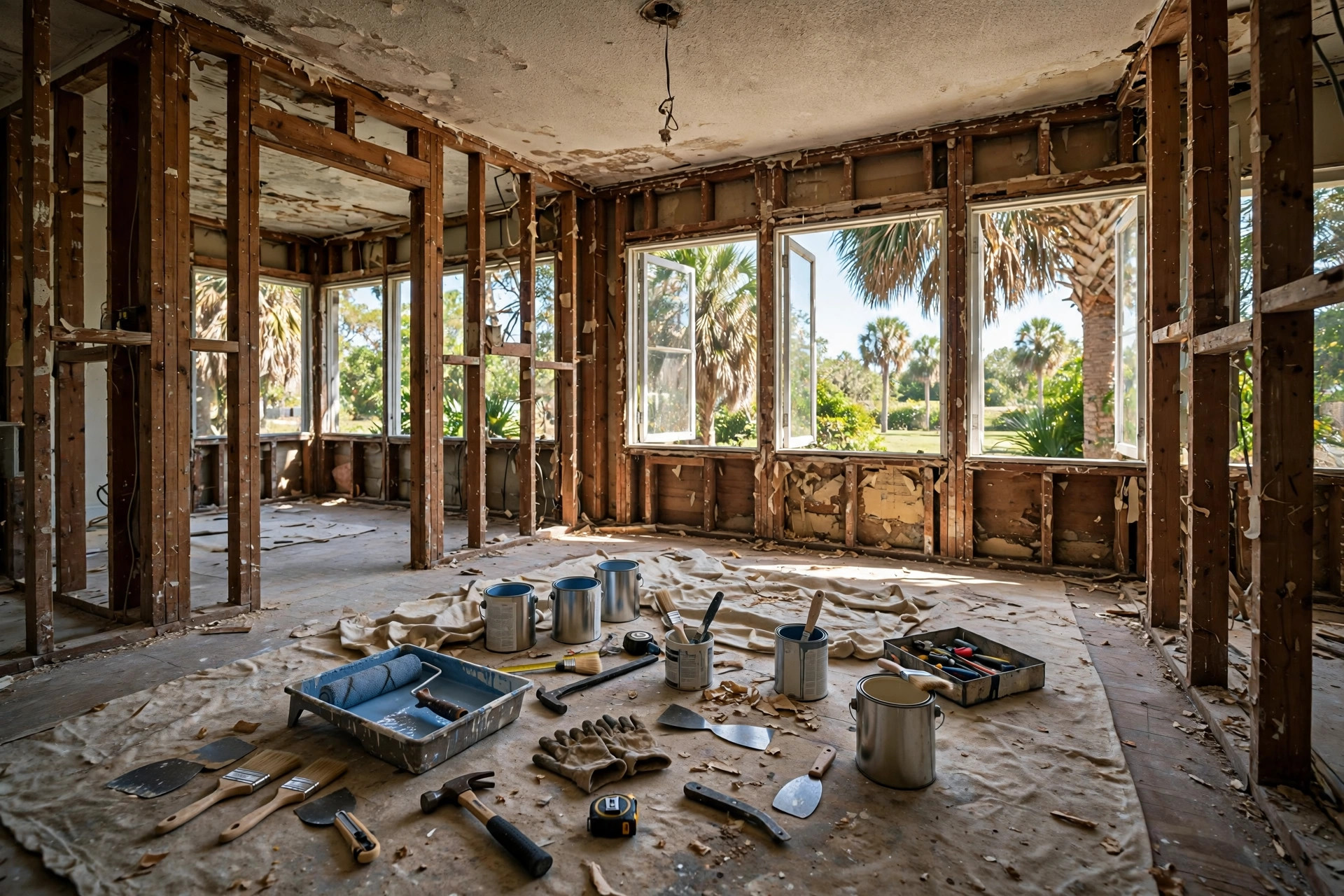
- A full kitchen remodel. A $40,000 kitchen in a house that needs one rarely adds $40,000 to the sale price — buyers discount for their own taste anyway, and mid-range houses get compared to the neighborhood, not to your cabinets. You recover a fraction, months later, after living through a remodel you did for someone else.
- A bathroom addition. Adding a bath is one of the most expensive projects per square foot, and in an older house it usually comes with permit and plumbing surprises. The value bump is real but smaller than the invoice.
- A new pool. In South Florida a pool is common, which is exactly why a new one adds less than it costs. Buyers who want a pool look at houses that already have one; they don't reimburse your build.
- High-end finishes in a mid-range house. Imported tile and designer fixtures in a neighborhood of solid, ordinary homes price you above the street. Appraisals follow the neighborhood.
- Replacing things that still work. A functioning older AC, water heater, or roof with life left in it is not the emergency sellers think it is — unless a lender or insurer makes it one (more on that below).
The cheap things that do earn their money
If you're listing, the returns live at the unglamorous end: a deep clean, decluttering (free), yard cleanup, a front door that looks cared for, fixing the drips and sticks and squeaks a buyer notices in the first ten minutes, and neutral paint where a room is currently a strong personal color. These cost hundreds, not tens of thousands, and they change how a house feels in photos and showings — which is where list prices are really won or lost.
The exceptions: when a repair is forced or genuinely pays
Two situations break the rule. First, lender and insurance blockers: in Florida, a roof at the end of its insurable life can make a house nearly unsellable to financed buyers, because they can't get coverage. If you're listing and the roof is the only thing standing between you and the full buyer pool, a roof can pay — get quotes and run the numbers honestly. Second, safety and code items that a buyer's lender will flag anyway; fixing them on your schedule is cheaper than conceding credits on theirs.
The one question that decides any repair
For every project on your list, ask: will a buyer pay at least this much more for the house because this is done? Not "is it nice" and not "was it worth it to me" — will it move their number, in writing, by more than the invoice plus your time? If you can't say yes with a straight face, skip it. We run the full comparison in cash offer vs. listing costs, and the pattern holds: sellers consistently over-invest in the house they're leaving.
And if you're selling as-is, the list is zero
Everything above assumes you're chasing a retail buyer. If you sell as-is to a cash buyer, the repair list disappears entirely — no remodel, no paint, no cleanout, not even the cheap stuff. We price the house with the work undone and do it ourselves after closing. That's the trade, stated plainly: less money than a perfect listing, in exchange for none of the spending, scheduling, and risk. For plenty of houses, that's the right trade. See how it works if you want to compare your two real numbers.
The Florida wrinkle: fixes an insurer forces, not a buyer
South Florida adds one local exception to everything above. Because insurers here scrutinize age and condition hard, certain items decide whether a retail buyer can get coverage at all — the roof first, then things like older electrical panels and polybutylene or cast-iron plumbing in some carriers' eyes. If you plan to list, ask an agent or insurance broker which items on your house are insurability blockers in today's market. Fixing a blocker isn't a cosmetic upgrade; it unlocks the entire financed-buyer pool, and that's a different return calculation than new countertops. And if the blockers list is long and pricey, that's your signal the as-is math deserves a real hearing instead.
What about just cleaning it out?
For a listed sale, a cleanout earns its cost: buyers price a full house as a problem they'll have to pay to remove, and they'll overestimate it. Rent the dumpster, donate what's donatable, shred what's private. But notice the asymmetry — if you sell as-is, even the cleanout is unnecessary. We buy houses with everything in them, from furniture to the garage hoard, and price that into the offer at our cost of handling it, not a retail buyer's imagined worst case. Sellers are regularly surprised that the thing they dreaded most — the cleanout — was optional all along.